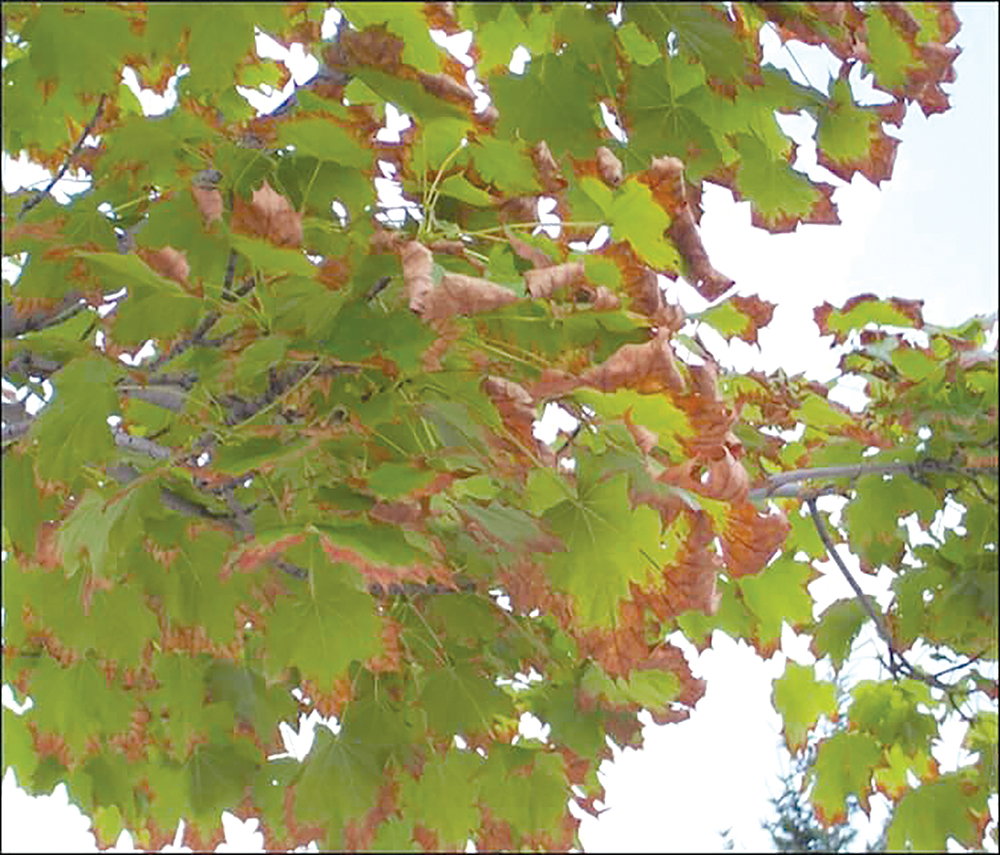
Another dry spell… Learn how the drought is affecting Vermont’s trees and shrubs.
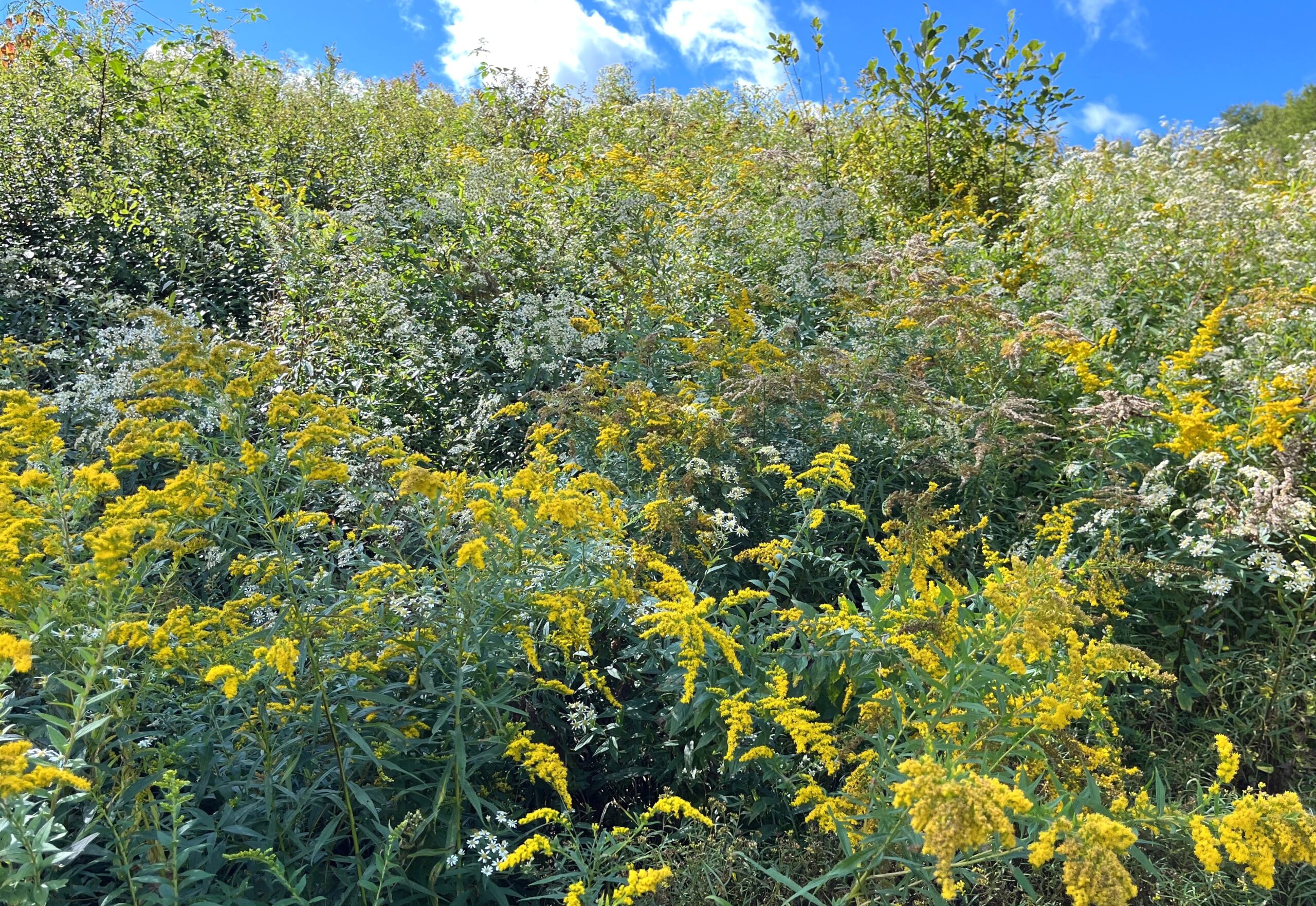
Goldenrod, which is commonly found in roadsides and fields, is an important host plant for caterpillars and a food source for caterpillars, butterflies, bees and other pollinators.
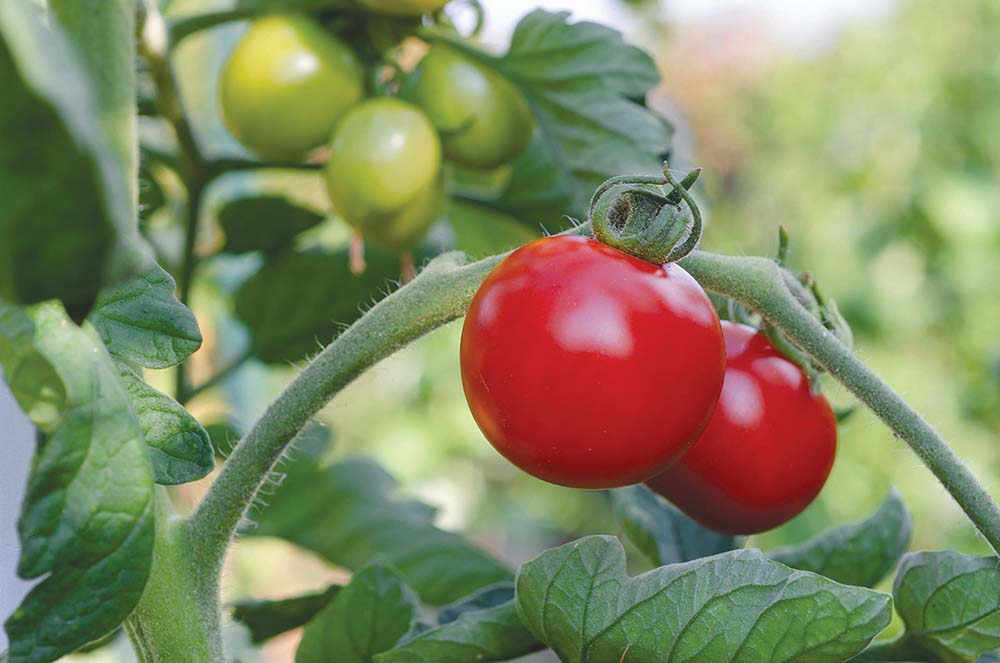
Tomatoes can be easy to grow with some inexpensive equipment and a little know-how about this crop.
Milkweed may seem like a weed because of its name, but it’s actually an incredibly important plant.
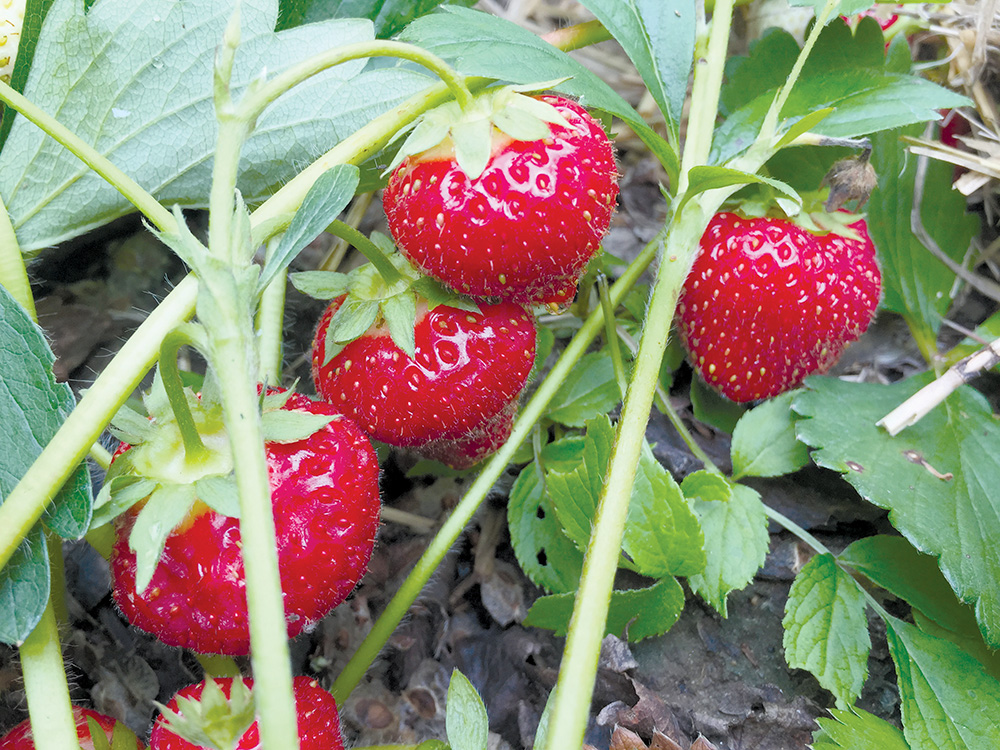
There’s nothing like the taste of a fresh-picked strawberry. Sweet, juicy and flavorful, it’s the first fruit to ripen on our local farms, and this year’s crop is a good one.
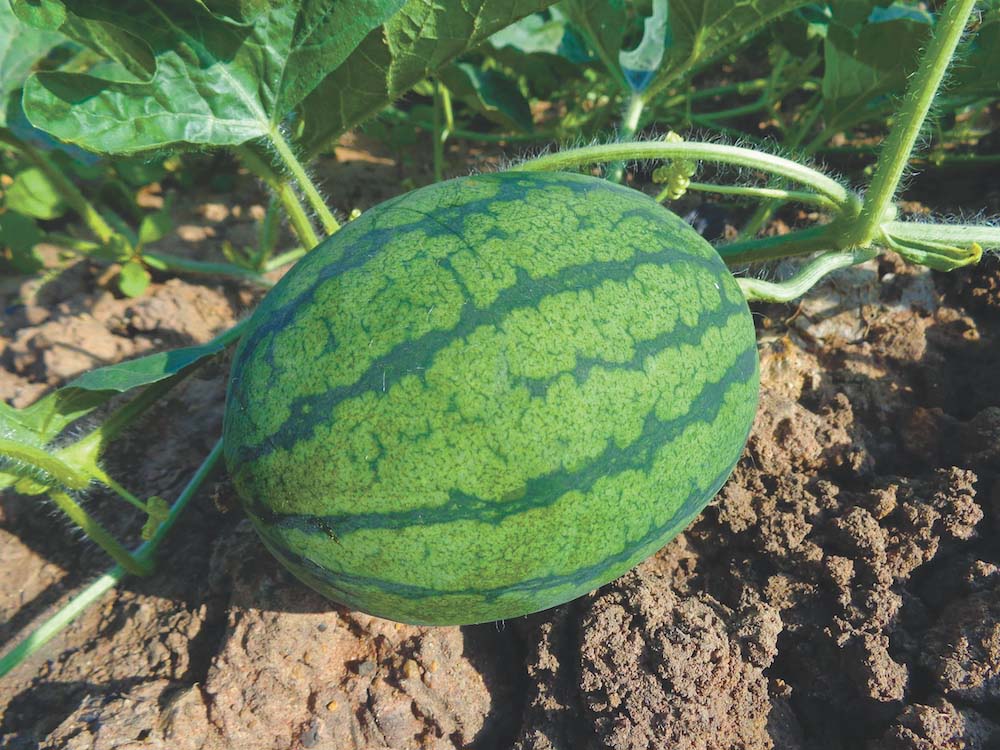
There are few things as refreshing on a hot summer day as a slice of watermelon (Citrullus Lanatus). At over 90 percent water, watermelons are a tasty way to keep hydrated with an added bonus of vitamins and minerals.
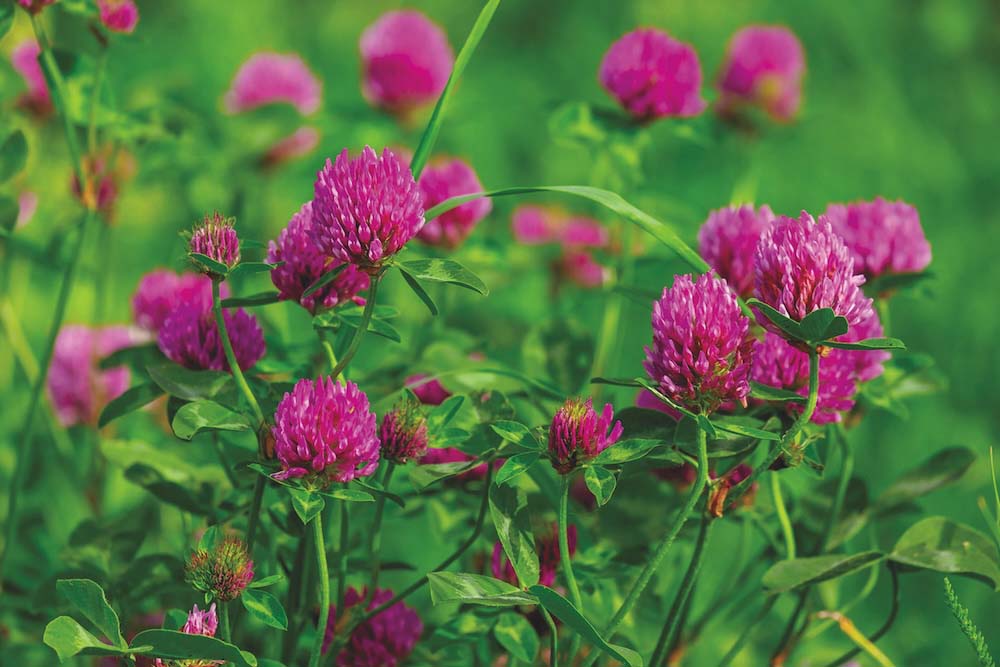
Introduced to Vermont by European settlers, red clover has become an essential part of the state’s landscape and identity.
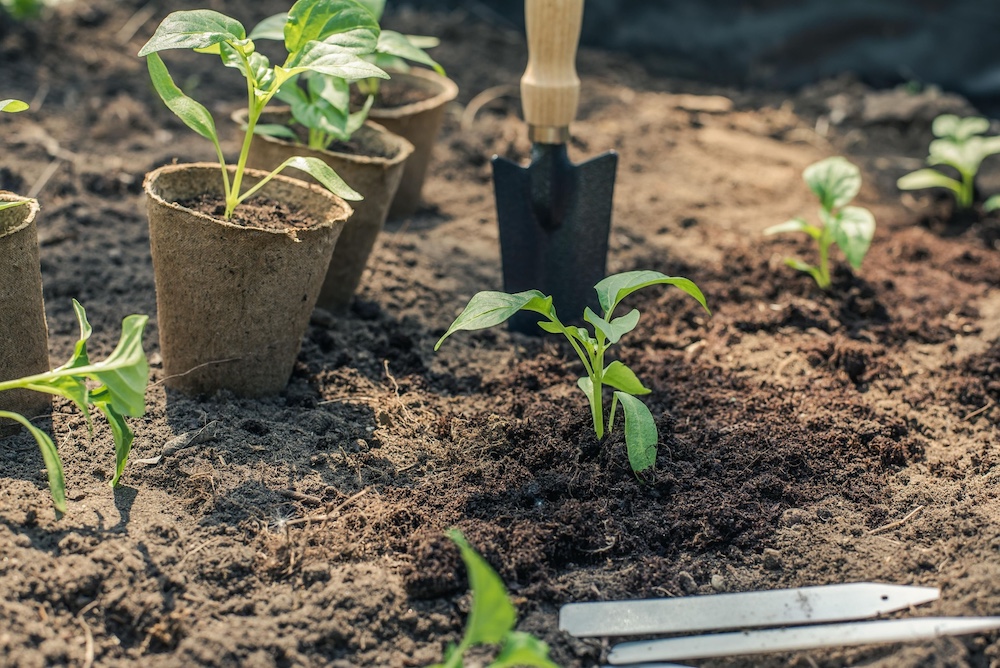
Planting time is here. While some crops will be directly sown, many others will begin as starter plants that have been grown from seed at home or purchased locally. The trick is to successfully move those plants from the controlled environment where they’ … (read more)
Easily recognized by their sweet fragrance and cone-shaped clusters of tiny flowers, the common lilac (Syringa vulgaris) has been a part of America’s gardens for much of our country’s history.
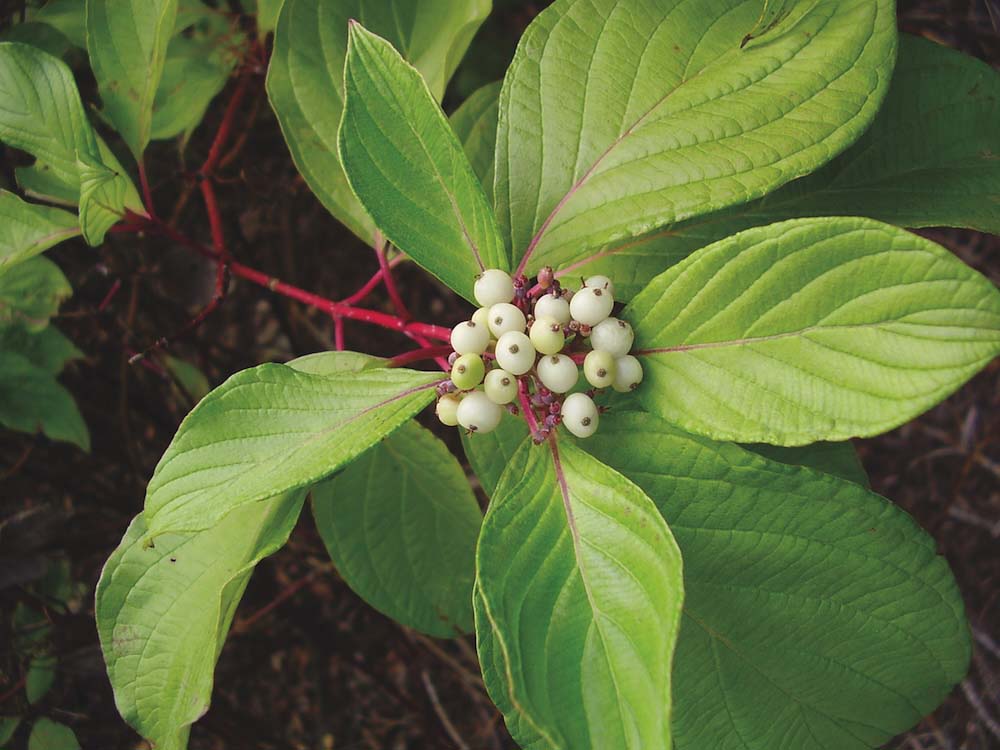
Dogwoods, in the genus Cornus, are among the most versatile native shrubs. With seasonal interest, tolerance of less than perfect conditions and benefits for wildlife, these shrubs are worth considering.
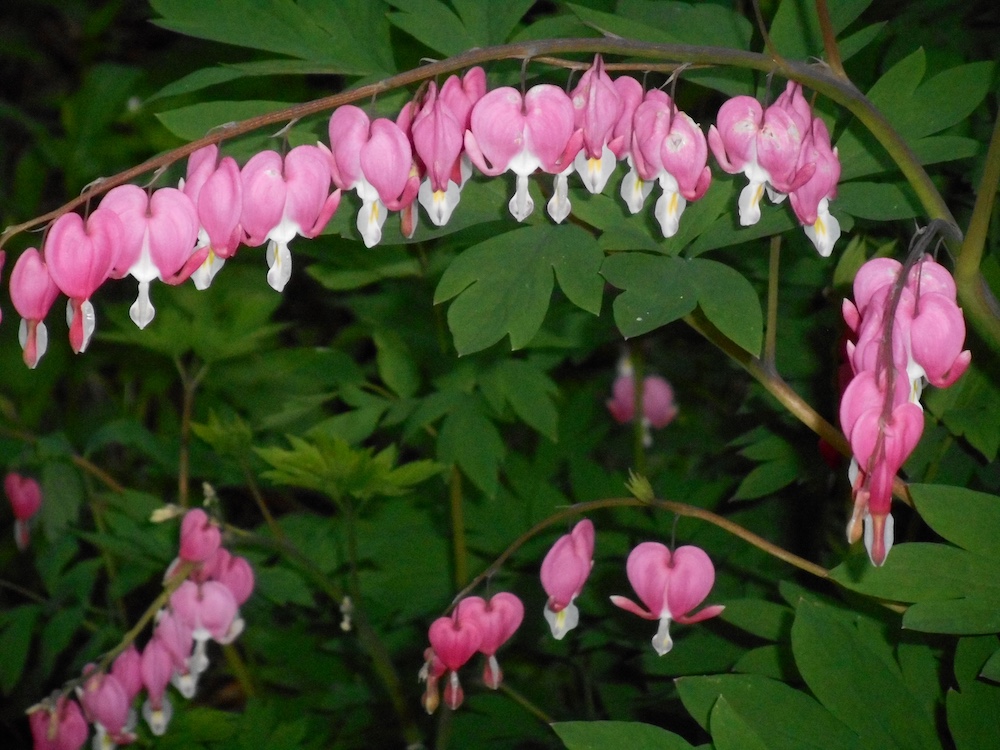
Have you ever heard of the lady in the bath flower? That’s just one of the common names for bleeding hearts (Lamprocapnos spectabilis, formerly Dicentra spectabilis). If you’re wondering where that name comes from, just look at the flower upside down and … (read more)
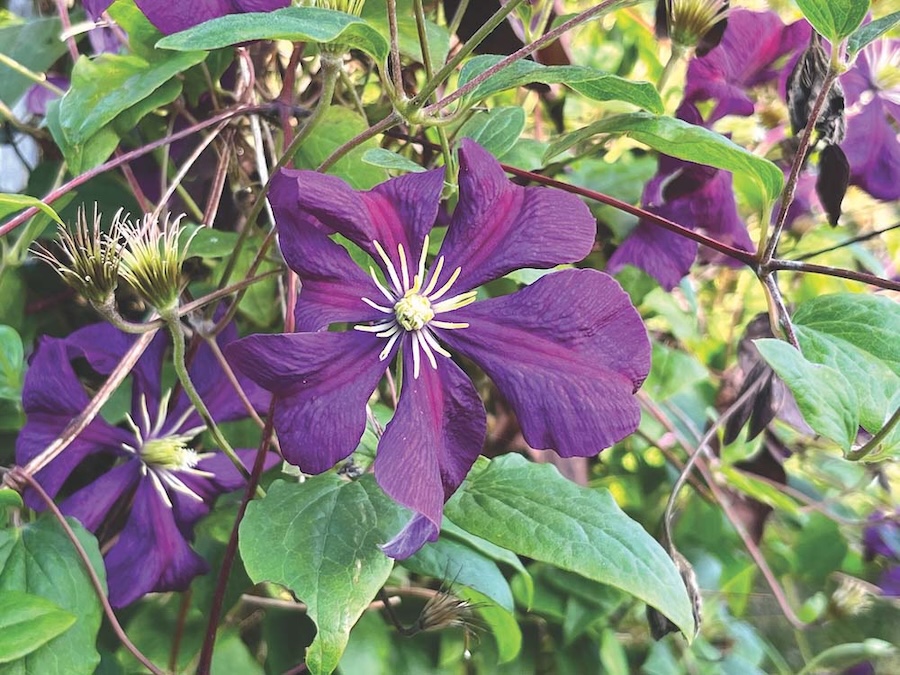
With abundant blooms in a wide range of colors from soft white to dark purple, pink and even yellow, clematis reign supreme among climbers.
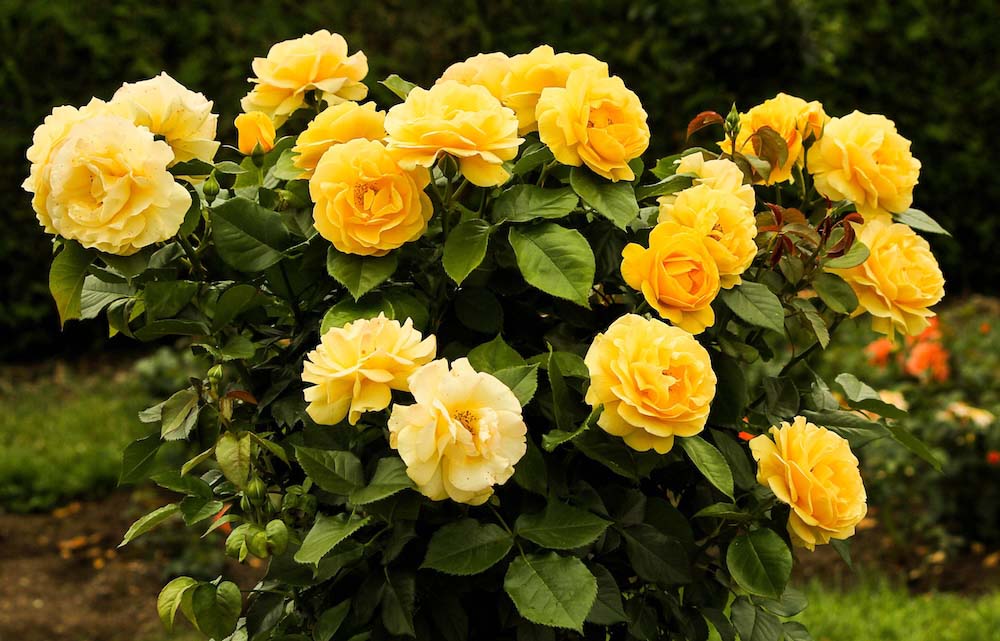
We’re all familiar with roses (Rosa) — their fragrance, their flowers, their thorns. If you’re thinking about adding a rose (or roses) to your garden this year, it might surprise you to discover that there’s more to your choice than color. Roses come in a … (read more)
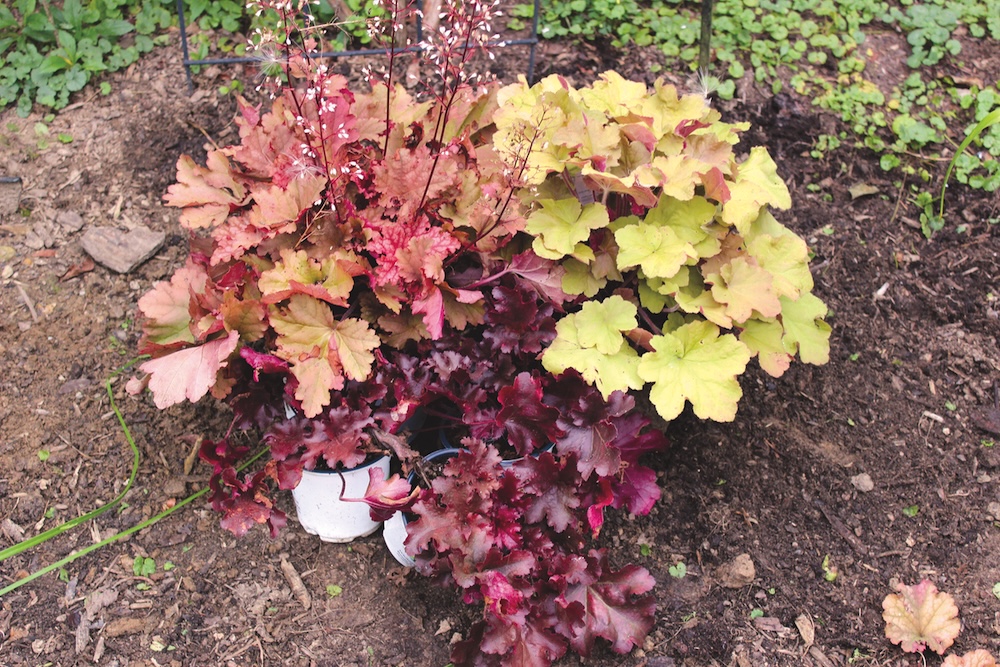
If you’re looking for a plant for your garden that will come back year after year, is easy to care for and suitable for a variety of growing conditions, coral bells (Heuchera) just might be the plant for you. It’s also known by the common names alum root … (read more)
Rudbeckia hirta. Solanum lycopersicum. Acer saccharum. Have you ever seen these names on plant tags or seed packets and wondered where they came from? We can thank Carl Linnaeus for taxonomy, the study of categorizing and naming organisms, and binomial no … (read more)
Visit the Addy Indy’s Other Sites: