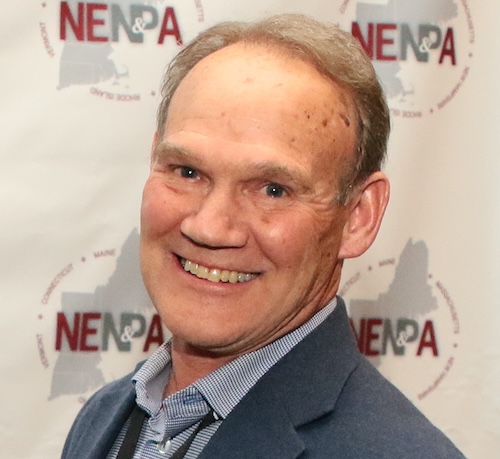

Mike Roy spoke with Jared Duval, an appointed member of the Vermont Climate Council who chairs the Council’s Science & Data subcommittee, about the wonky, but important, Clean Heat Standard that will be voted on by the state legislature in the upcoming legislative session.
Mike Roy: What is the Clean Heat Standard, and how is it different from a carbon tax?
Jared Duval: A Clean Heat Standard is a requirement that importers of fossil heating fuels into Vermont reduce climate pollution over time. It’s revenue-neutral, meaning no revenue will be collected by the government and any price increase on the fossil fuel side will go toward lowering prices on the clean side. Any costs that fossil fuel corporations incur to reduce emissions are tied to making it more affordable for Vermonters — especially lower- and middle-income Vermonters — to access cleaner heating options.
There’s speculation that fossil fuel corporations might pass on the cost of compliance to their customers. To the extent that happens, there will be a corresponding decrease in the cost of cleaner heating fuels to help Vermonters transition off fossil fuels. Unlike a tax, the goal of the Clean Heat Standard is not to raise money, but to reduce emissions in the most cost-effective way possible while holding the fossil fuel corporations accountable for reducing pollution.
What are the goals of the Clean Heat Standard?
The goals are twofold. First, after transportation, the use of fossil fuels to heat buildings in Vermont is our second-largest source of climate pollution. To meet science-based targets and our legal obligations, we need to tackle pollution from fossil heating fuels.
Second, we need to help Vermonters escape the high costs and price volatility of fossil fuels. Clean heat options often save people money in the long run — whether through weatherization or switching to heat pumps. These cleaner options tend to be lower-cost and more price-stable.
In short, the Clean Heat Standard aims to reduce both pollution and costs.
Who is impacted by this, and how?
The Clean Heat Standard sets requirements for corporations that import fossil heating fuels into Vermont — no one else. For Vermonters, it provides more choices and would help lower the cost of choosing cleaner heating options. It’s about reducing pollution while lowering heating costs.
How will fossil fuel importers be impacted?
It depends on how they respond. If they act in a self-interested way, they will pass the cost of compliance on to their fossil fuel customers. However, that will be balanced by having to provide clean heat options at lower cost, especially for Vermonters with lower incomes. Baked into the design of the program is the requirement that fossil fuel providers generate sufficient clean heat credits to decrease emissions, thus requiring them to reduce the costs of cleaner heating options enough to incentivize sufficient clean heat activity. From a business perspective, the Clean Heat Standard opens up new opportunities and revenue streams for fuel dealers who want to transition from solely selling fossil fuels to offering cleaner heat services — like weatherization, biofuels, advanced wood heating, or heat pump installations.
The current draft of the Clean Heat Standard allows biofuels and wood to qualify as clean energy. These definitions are hotly contested in certain environmental circles, who argue that neither of these should count as clean energy. Are these questions of what counts as clean energy still up for debate, and ultimately, how will these questions be answered?
It’s not about a simple in or out definition of clean. It’s about what options reduce greenhouse gas emissions on a lifecycle basis relative to fossil heating fuels. Those biofuels that are lower-emitting on a lifecycle basis will be eligible to earn clean heat credits under the Clean Heat Standard, but only proportional to the amount of emissions reduction they achieve relative to fossil heating fuels. Those biofuels that don’t reduce emissions on a lifecycle basis simply won’t be eligible for Clean Heat credits. And those biofuels that reduce emissions marginally will only get partial credit.
There are certainly disagreements about the lifecycle emissions of various biofuels and of wood heat. Those numbers will be determined by the Public Utility Commission, informed by the Clean Heat Technical Advisory Group and as guided by the statutory language in the Affordable Heat Act.
There’s conflicting information about how the Clean Heat Standard might impact consumers. Can you share what’s known and what misinformation needs correcting?
Right now, no definitive numbers are known because we don’t have a fully fleshed-out rule. There will likely be some upward price pressure on fossil fuels alongside downward price pressure on cleaner heating options, such as biofuels, electricity and heat pumps. A comprehensive study by the Agency of Natural Resources estimated a potential 1-2 cents per gallon per year increase in the price of fossil heating fuels. The claims by the fossil fuel industry of massive fossil fuel price increases are wildly exaggerated. Their numbers are not based on anything real and are very dishonest and misleading.
You’ve said that “The Stone Age didn’t end because we ran out of stones.” Can you unpack that?
As humans, we tend to focus on the potential costs of change, but we rarely consider the costs of the status quo. The climate crisis is real, and the cost of inaction is significant — extreme storms, high fuel prices and more. Moving away from fossil fuels isn’t just about reducing climate pollution, it’s about a better energy future that lowers costs for Vermonters and keeps more money in-state. When we invest in weatherization, heat pumps or advanced wood heat, the benefits stay much more within our communities, rather than primarily flowing out of state to multinational fossil fuel corporations.
Why should Vermonters care about the Clean Heat Standard? And how can the average Vermonter get involved as the details are worked out?
Vermonters should care because this is about making the clean energy transition equitable. Currently, wealthier Vermonters are primarily the ones installing heat pumps and benefiting from the cost savings. If we don’t have policies like the Clean Heat Standard, we risk leaving lower-income Vermonters behind.
As for getting involved, there are three forums where this is being developed. First, the Public Utility Commission is drafting rules due to the Legislature by Jan. 15. People can submit comments or attend workshops. After January, the Legislature will consider those rules, and Vermonters can participate in that process. Lastly, the Vermont Climate Council is revising the Climate Action Plan, with public input sessions happening now.
Last word?
Getting public policy right is complex, but it’s important to have honest, nuanced conversations. Vermonters should take the time to critically evaluate the information being presented and consider the interests behind it. The fossil fuel industry has invested heavily in spreading misinformation. For independent, reliable information, Vermonters can turn to resources like the FAQ on the Clean Heat Standard at bit.ly/ean-cleanheat.