Addison County residents will have several opportunities this month to help shape Vermont’s future of land conservation, outdoor recreation, working landscapes, and community resilience. A series of public Listening Sessions to be held around the county will kick off on March 16 and continue through late March.
The series is organized by the Middlebury Area Land Trust, the Addison County Regional Planning Commission, and the Otter Creek Natural Resource Conservation District. The sessions are part of a statewide effort to gather local perspectives on Vermont’s Draft Conservation Plan, developed in response to Act 59, also known as the Community Resilience and Biodiversity Protection Act.
Kevin Fox, executive director of MALT, notes that “Balancing the urgent need for more housing with the long-term protection of our farms, forests and natural resources requires thoughtful, strategic land conservation now more than ever. That work is strongest when it’s locally driven — grounded in the knowledge, priorities, and values of the communities that live on and care for these landscapes.”
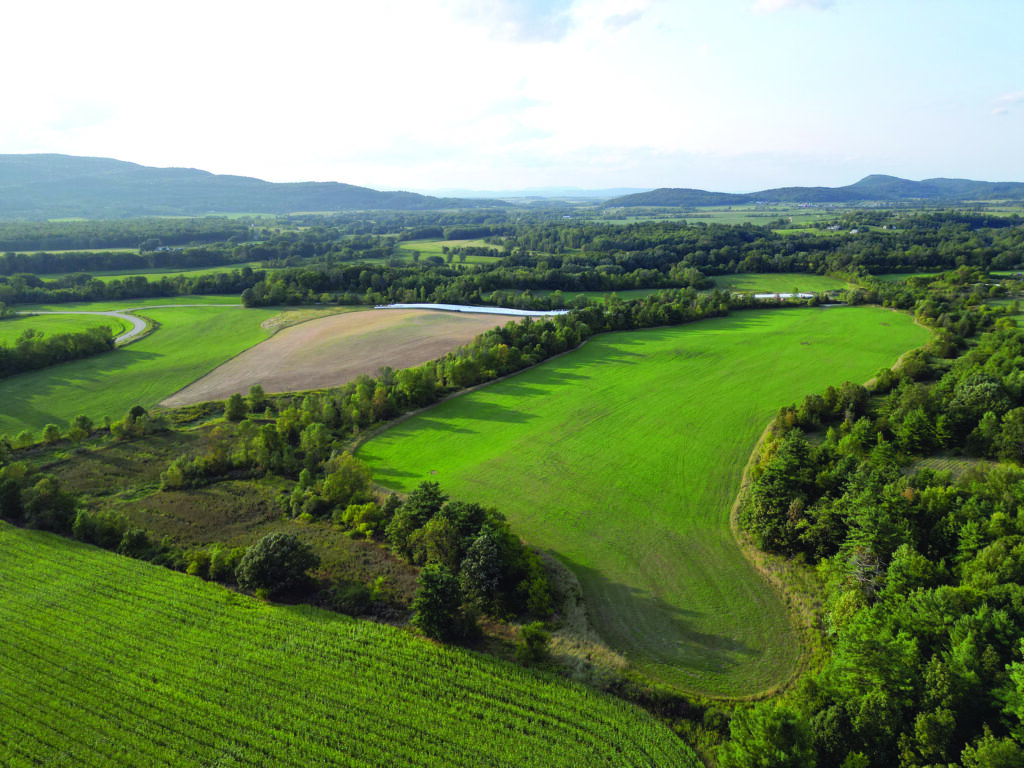
Act 59 sets ambitious goals for the coming decades: conserving 30 percent of Vermont’s land by 2030 and 50 percent by 2050. The legislation calls for a comprehensive planning effort that protects ecological health, supports working farms and forests, maintains landscape connectivity, strengthens watershed resilience, and enhances public access to outdoor spaces. As outlined in the Vermont Housing and Conservation Board’s Draft Expanded Framework, the long-term vision is “to maintain an ecologically functional landscape that sustains biodiversity, supports watershed health, promotes climate resilience, supports working lands, and provides opportunities for recreation and appreciation of the natural world.”
The planning process has been underway for more than two years. Phase 1, completed in 2024, involved a full inventory of Vermont’s conserved lands. That inventory determined that approximately 27 percent of the state’s land — about 1.57 million acres — is already conserved, leaving roughly 190,000 acres needed to meet the 2030 benchmark.
An online map of Vermont’s conserved lands, including ecological reserve areas, working lands, biodiversity conservation areas, and other protected parcels, can be viewed online at tinyurl.com/VTConservedLand. The map provides residents with a visual overview of existing conserved areas.
The Draft Expanded Framework now entering public review represents Phase 2, which outlines objectives, strategic pathways, and proposed actions to guide conservation across the state. VHCB notes that the scale of the work reflects the magnitude of the challenges Vermont faces, including climate-driven flooding and drought, forest and farmland loss, and pressures from development.
Organizers of the Addison County Listening Sessions say the conversations will be critical in helping fine-tune the Draft Conservation Plan before the state finalizes it later this year.
The first session will take place Monday, March 16, from 4 to 5:30 p.m. at the Middlebury Town Offices. Co-led by MALT and ACRPC, this introductory meeting will provide an overview of the draft plan, including its key objectives and the scientific and planning tools behind it. One of these tools is Vermont Conservation Design, a statewide, science-based framework that identifies lands and waters most essential for maintaining ecological health and habitat connectivity. Vermont Conservation Design underpins much of the plan, helping identify priority forests, rivers, wetlands, and wildlife corridors.
Following the introductory meeting, three additional sessions will focus on components of Objective 2 of the Draft Plan: Conservation for Communities. This section of the statewide framework explores how conservation can support public access, working lands, climate resilience, recreation, and education.
Session 2, led by the Otter Creek NRCD, will take place sometime between March 17 and March 27, with the exact date and location to be announced. This session will focus on two pathways: increasing equitable access to conserved lands and supporting sustainable working lands. Organizers say this discussion will be especially relevant to farmers, forestland owners, and rural residents, as Act 59 underscores the need to “continue conserving and protecting Vermont’s agricultural land, working forests, and surface waters” while enhancing investments in rural landowners and land-based enterprises.
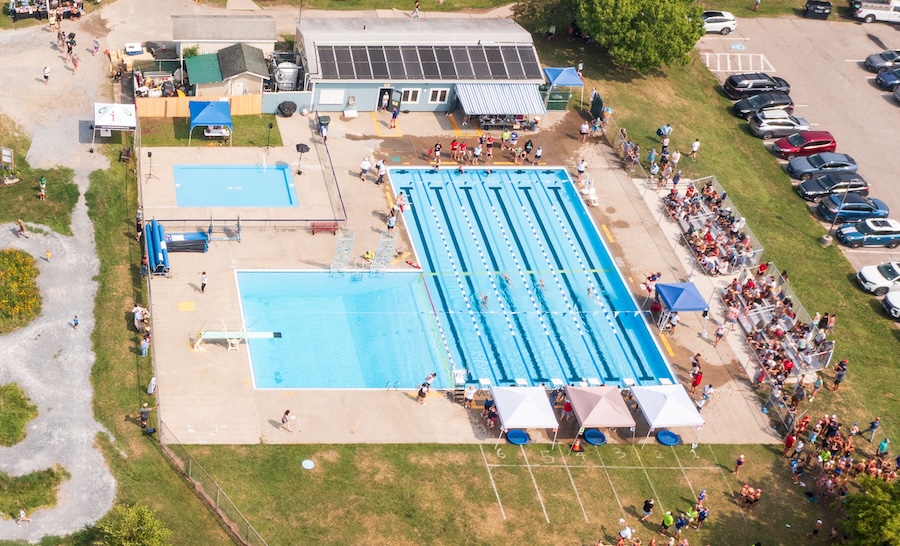
Session 2, led by the Otter Creek NRCD, will be held on Monday, March 23, 5:30 p.m. at the Middlebury NRCD office (68 Catamount Park, Middlebury). This meeting will center on Pathway 3: Strengthening Climate Resilience. From recent flood disasters to prolonged droughts, Vermont has experienced a suite of climate driven impacts in the last five years.
The plan emphasizes that climate change is already reshaping communities and landscapes, making this pathway a priority for early action. Residents are encouraged to share their experiences and ideas on how conservation strategies can bolster community resilience in Addison County through actions including floodplain and wetland conservation, and integrating restoration into conservation projects.
“Protecting our floodplains, river corridors, and wetlands is one of the most effective ways we can safeguard our communities, our farms, and our infrastructure from the increasing risks of extreme weather,” according to ACRPC’s Emergency Management Planner Andrew L’Roe.
The fourth session will be hosted by MALT in Salisbury, with the specific date to be announced. This meeting will explore Pathways 4 and 5: promoting outdoor recreation and expanding place-based education and outreach. The discussion will focus on how trails, conserved lands, and educational programs can support both community engagement and long-term ecological stewardship.
MALT is also exploring the possibility of hosting a fifth session focused on conservation capacity. Those interested in attending or learning more are encouraged to check www.maltvt.org for updates as details are finalized.
While the Draft Expanded Framework is broad in scope, VHCB stresses that not all of its recommendations can be undertaken at once. Limited financial and organizational resources mean Vermont will need to prioritize the most impactful and feasible actions, even as it works to position the state for long-term success.
Public input gathered this spring will help identify which strategies communities consider most urgent.
To support residents in participating fully, organizers recommend reviewing the background materials available on the Vermont Conservation Plan website at https://vermontconservationplan.com/vcp/framework-jan26/. These materials include surveys linked to each major objective, allowing Vermonters to share more detailed feedback on specific proposals. Those who cannot attend a session can also email comments directly to [email protected].
Organizers emphasize that Addison County residents bring essential perspectives to the statewide process. The Draft Framework acknowledges that Vermont’s conservation network depends on partnerships among farmers, forestland owners, nonprofit organizations, state agencies, and volunteers. It also highlights the region’s importance to regional biodiversity and food security, noting that Vermont’s farms play a meaningful role in supplying food to all of New England.
“Your participation is a critical part of shaping the Vermont Conservation Plan,” VHCB notes, calling on Vermonters to help refine, prioritize, and strengthen the proposed actions.
With a planning deadline just months away, Addison County’s March Listening Sessions offer residents a meaningful opportunity to help influence the future of Vermont’s landscapes, communities, and conservation commitments.
Editor’s note: This story was provided by the Addison County Regional Planning Commission.