
News
Economist weighs prospects for young people and jobs
MIDDLEBURY — With unpredictability a watchword in today’s American economy, it is no wonder that soon-to-be-college-graduates and their parents are wondering what awaits them in terms of jobs, housing and standard of living.
A leading economic analyst from the Federal Reserve Bank of St. Louis will address those questions in an April 22 talk sponsored by the Middlebury College Department of Economics.
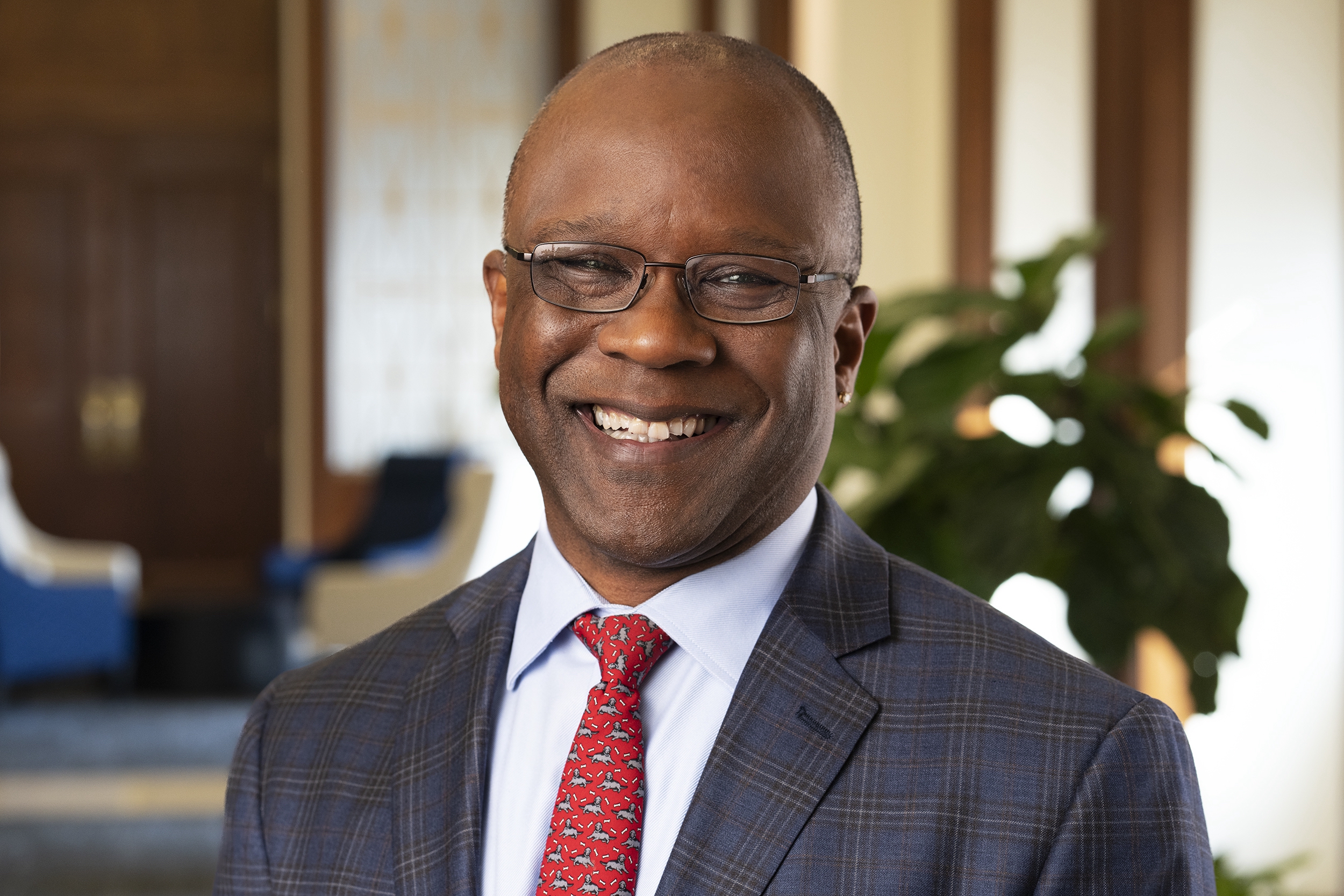
William M. Rodgers III, vice president and director of Community Development Research at the St. Louis Fed, will address “How are Young Adults Fairing in Today’s Labor Market?” in the David K. Smith ’42 Lecture. The talk is on Wednesday, April 22, at 4:30 p.m. at Twilight Auditorium at 50 Franklin St. in Middlebury.
Middlebury Professor Phanindra V. Wunnava said people outside academia should find this talk of interest.
“Early youth unemployment tends to lead to increased unemployment and lower earnings in the future, also known as ‘scarring effect,’” said Wunnava, David K. Smith ’42 Chair in Applied Economics. “Given the particular relevance of this issue with the backdrop of COVID-19 epidemic and the entry of high number of recent college graduates into the job market adversely impacted by AI, the insights from Dr. William Rodgers’s lecture are very important in understanding the extent to which various economic factors contribute to youth unemployment, how different aspects of the scarring effect act for different subsets of the youth population, and how policymakers can address these issues to support youths.”
A starting point for the lecture is knowing that the U.S. labor market has softened since its peak in April 2023. Has this weakening eroded the labor market prospects of vulnerable workers? Vulnerable workers are those with weak connections to the labor force. Their job prospects are more sensitive to changes in their local area’s economic conditions. Vulnerable workers include:
• Non-enrolled young adults
• New labor market entrants
• Adult women
• Adult Black and Latino men, and
• People with a disability
The recent evidence indicates that the weakening labor market is damaging the employment prospects of above listed groups. Those with the least education and experience have seen their employment fall more than the overall workforce. Surprisingly, the employment of new entrant college graduates (not classified as vulnerable) has worsened.
Increased difficulty obtaining a job as opposed to labor force departure explains the deterioration. However, if the overall economy continues to weaken, we could see a shift toward labor force departure. One option might be to continue schooling.
Rodgers talk explores the factors contributing to young adults’ losses, such as:
• Decline in the general demand for workers
• Increased demand for artificial intelligence-related jobs
• Contraction in the manufacturing sector
• Decline in the foreign-born population
• Decline in women federal employees
Rodgers’s lecture will conclude with a discussion on how communities could explore alleviating the problems associated with higher young adult unemployment.
“Given his vast experiences (for example, served in many public capacities, including on former President Barack Obama’s Department of Labor transition team and as chief economist at the U.S. Department of Labor etc.), I am so glad that Dr. Rodgers will be delivering this timely public lecture,” Wunnava said.
More News
News
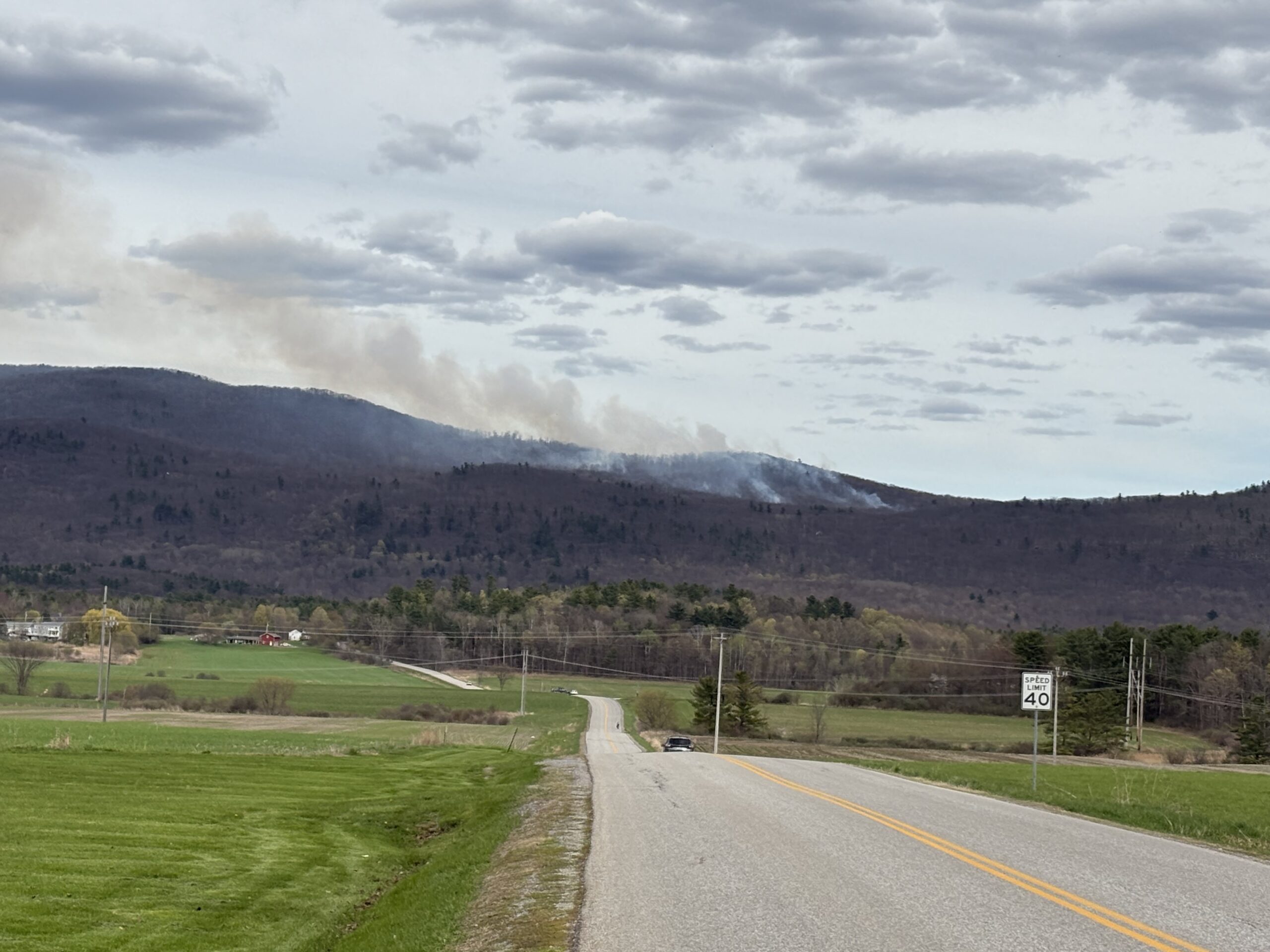
Forest fire consumes 50 acres in Middlebury
Around two-dozen state and federal workers on Wednesday were diligently working to extingu … (read more)
News

Years later, local towns still navigating flood repair
When heavy rainfall inundated parts of Addison County in July 2024, it didn’t take long to … (read more)
News
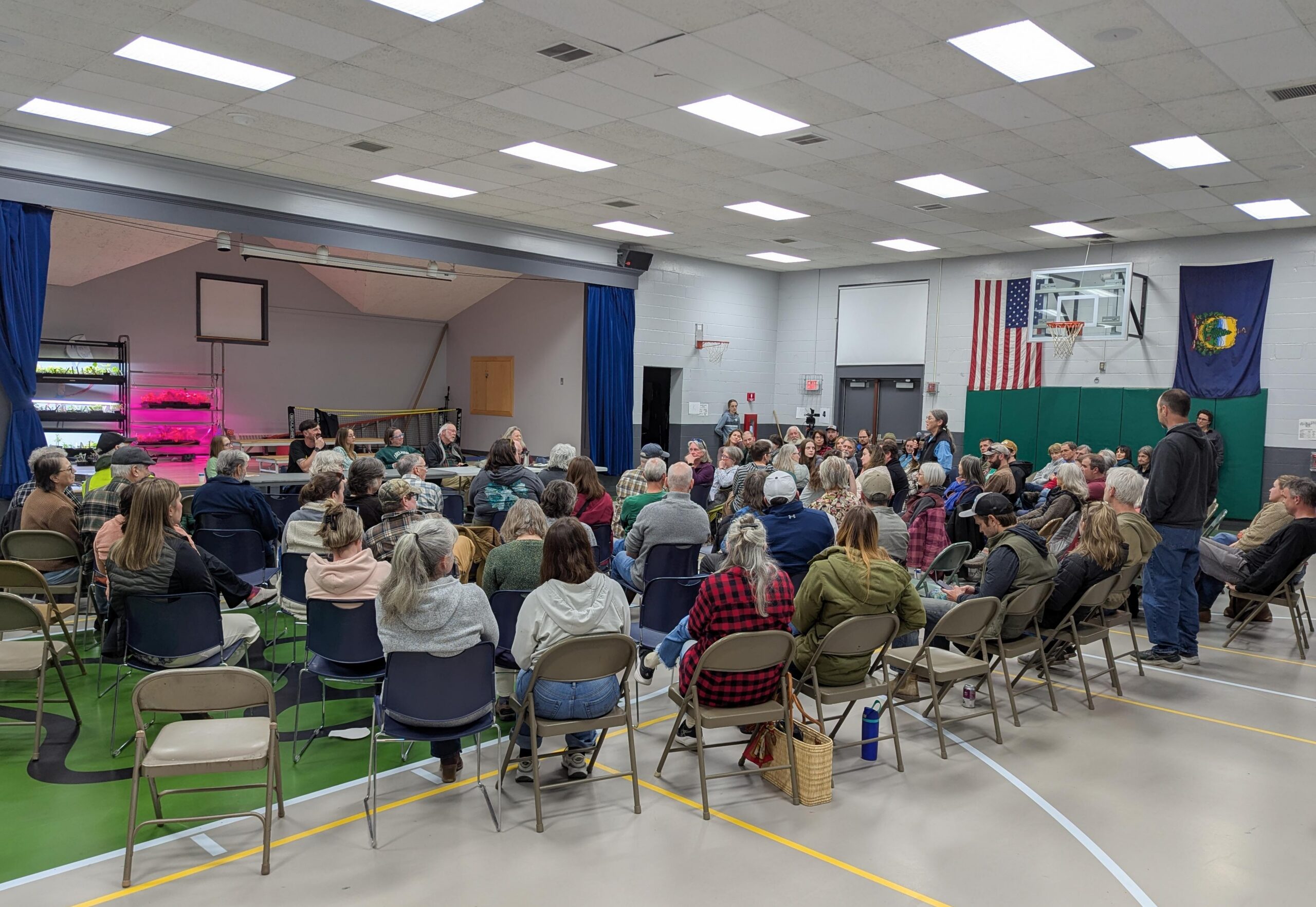
Monkton turns out to show support for its elementary school
Around 135 Monkton residents attended an April 24 meeting at the Monkton Central School to … (read more)