
News
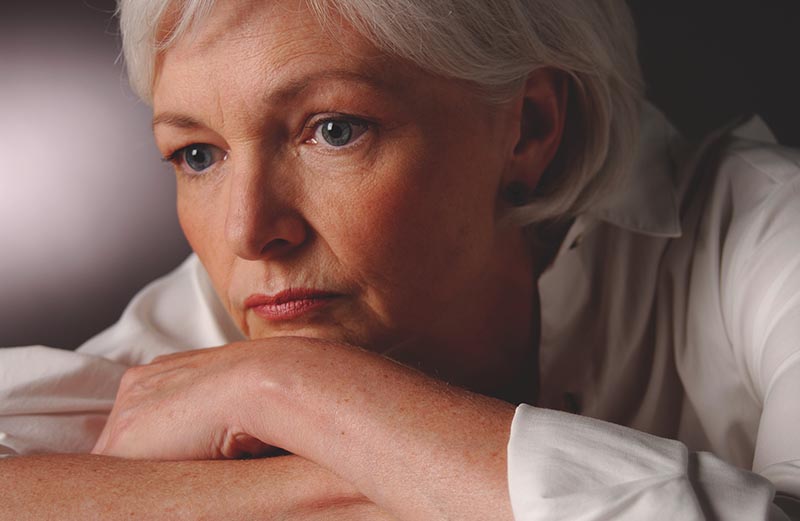
Depression in seniors is real and it’s treatable
Seniors often face an increased risk of depression, a fact that is commonly dismissed as a natural part of aging. It’s important to recognize that depression is a legitimate medical condition that can be successfully addressed.
As we age, it’s important to prioritize mental health alongside physical health. Seniors face an increased risk of depression, which is often overlooked as a normal part of aging. However, depression is a legitimate illness that can be treated.
When negative feelings begin to interfere with daily life, it’s time to talk with your healthcare provider about potential depression symptoms. Major life changes, such as losing a loved one, transitioning into retirement, or losing social connections can trigger depression. Other factors, like changes in family relations, loss of mobility, or side effects from medications, may also contribute.
Depression can lead to feelings that distort perceptions of minor issues. The World Health Organization recognizes depression as a leading cause of disability worldwide, while mental health issues can impact physical health, including heart conditions.
Symptoms of Depression
Depression in seniors is often overlooked, particularly in those who are isolated. Factors such as inadequate nutrition, medications, and feelings of shame can make a person reluctant to talk about their feelings. Signs of depression include:
• Feelings of hopelessness or guilt
• Anxiety and irritability
• Loss of interest in once-pleasurable activities
• Fatigue and decreased energy
• Difficulty concentrating and making decisions
• Changes in sleep patterns and appetite
• Thought of suicide or self-harm
• Persistent physical aches that do not improve
• Talking with a primary care provider is important to rule out other medical conditions that could mimic depression, such as dementia or Parkinson’s disease. Health screenings can lead to effective treatments, including medications, therapy, or sometimes both.
Depression & Dementia
Depression can also appear differently across cultures, gender, and age. Memory loss and frustration can lead to anxiety and difficult behaviors in dementia patients. They may struggle with basic tasks and experience increased aggression due to their inability to process information as they used to. Simplifying communications, maintaining routines, and offering clear explanations can help reduce their frustration.
Caregiver Depression
The stress of caregiving can take a toll on family members caring for seniors, particularly those with dementia. Recognizing and addressing caregiver depression is crucial. Support groups and self-care strategies are essential for managing caregiver stress. The Alzheimer’s support group meets at Community Health North Main Street, 231 North Main Street, Rutland, VT on the second Tuesday of each month.
Addressing mental health in seniors and their caregivers is essential for maintaining overall well-being.
Editor’s note: This story was provided by Community Health Centers of the Rutland Region. Author Tracy Richards is a licensed clinical mental health counselor at Community Health Rutland.
More News
Homepage Featured News

Leicester farmer launches state Senate bid
Hannah Sessions, Co-Owner of Leicester’s Blue Ledge Farm, is running for one of the two st … (read more)
News
Education, healthcare and land use reform dominate Legislative breakfast
VERGENNES — Healthcare reform, new land-use protocols and an ongoing revamp of Vermont’s p … (read more)
News

Two seek ACSD seats; two have no takers
Two of the four looming vacancies on the Addison Central School District board have failed … (read more)