

News
Mow later to save the bobolink habitat

MONTPELIER — Boblinks, meadowlarks, Savannah sparrows, and grasshopper sparrows enrich our summers with their songs, but some of these species are in decline due to the loss of appropriate grassland habitat.
Landowners can make a difference by altering the times of year they mow fields. The Vermont Fish & Wildlife Department is encouraging landowners to help promote these beloved species by waiting a little longer to mow and give these birds a chance to complete their nesting season.
“People maintain fields and meadows in Vermont for a variety of reasons, from commercial hayfields and grazing pastures, to simple aesthetic beauty,” said Doug Morin, biologist for the Vermont Fish & Wildlife Department. “Mowing is the most common way to maintain grasses, but if mowed early in the summer, grassland birds will lose their nests and chicks.”
Bobolinks build nests among the grasses and wildflowers of fields and meadows. When bobolinks are present, other grassland bird species such as Savannah sparrows and grasshopper sparrows, may also be nesting among the grasses. Deer fawns, wild turkey chicks, and other animals take refuge in the grass and are also at risk by mowing too early.
According to Morin, landowners who mow their fields for aesthetic reasons can maintain these fields and accommodate nesting birds simply by cutting later in the summer, preferably after August 15.
More News
News

State restricts new superintendent hires to one-year
As the Addison Northwest School District gets the search for a new superintendent underway … (read more)
News

United Way sets $800,000 fundraising goal
Donors can also give through UWAC’s “365 Business Circle,” payroll deduction, stock gifts … (read more)
News
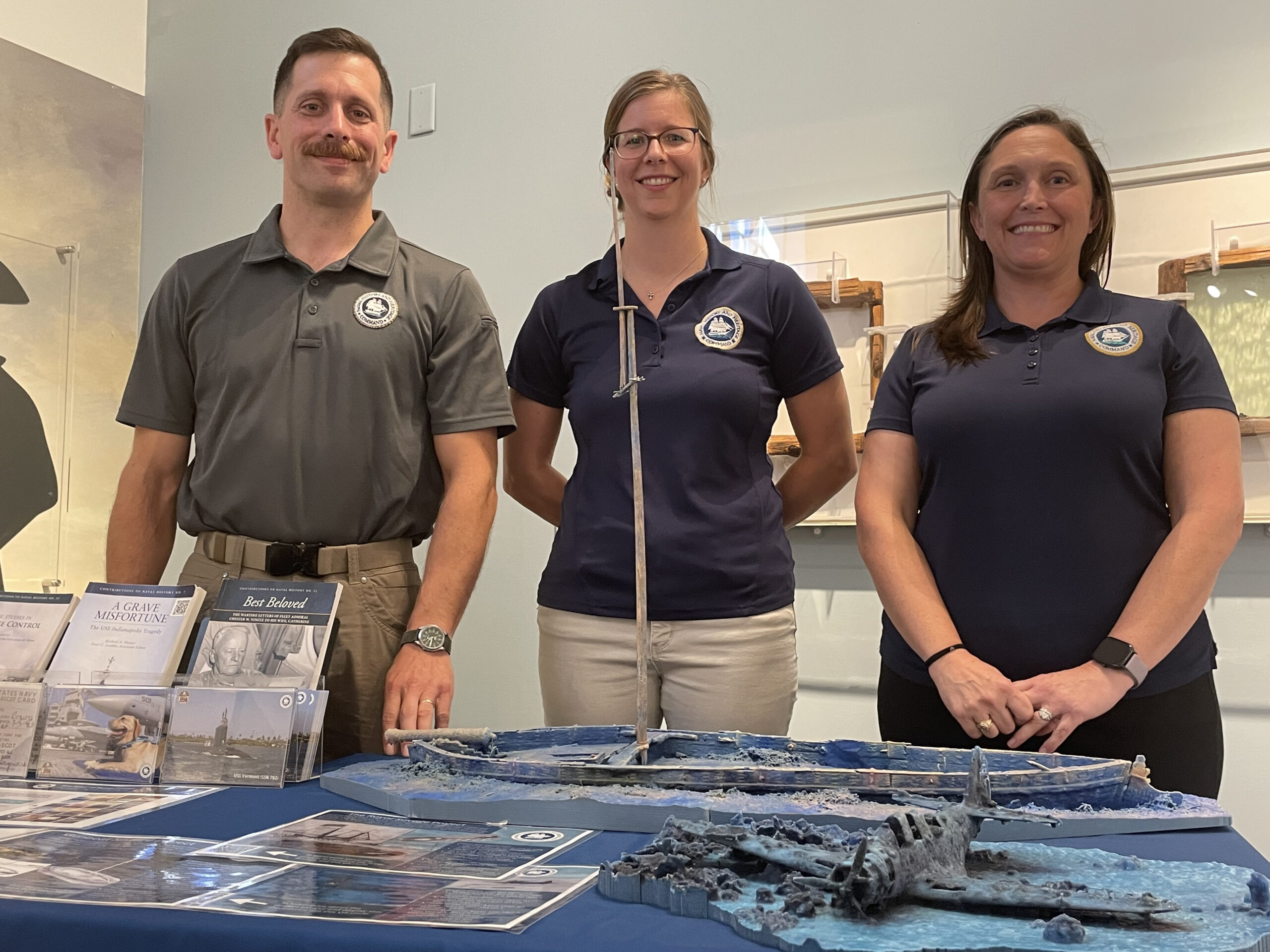
U.S. Navy docks at Maritime Museum
For the first time, the Maritime Museum hosted “U.S. Navy Week,” which brought Navy offici … (read more)