
Op/Ed
Neighbor Matters: Sustain the abundance we grow together
Stephen Rinker
Care, connection and collaboration are not simply values to which we aspire. They are the conditions that allow communities to grow, flourish and bear fruit.
Just as healthy soil depends on countless unseen relationships among roots, fungi, insects, microbes and water, a healthy society depends on networks of trust and mutual responsibility. When those relationships are nurtured, the ground remains fertile. Growth follows. Abundance follows. When they are neglected, the ground hardens, growth slows, and what once seemed plentiful begins to wither.
Across Vermont and across the world, we are living through a time that demands greater care in how we steward our shared resources. Energy is expensive, both economically and environmentally. Food is getting more expensive and less nutritious. Housing has become scarce and increasingly unaffordable. Working families, young people, elders and the people who keep our communities running and guide us with wisdom, often struggle to find rents they can afford, and only dream of owning a home.
Farming reminds us that no harvest is inevitable. Every season begins with faith, courage and careful preparation. Seeds are chosen with intention, often purchased with precious resources, then entrusted to fertile soil with hope for what they might become. Success is never the work of one person alone. It depends on many hands, changing weather, a measure of luck and communities willing to support local farms and businesses.
The same is true of human flourishing. Housing is about more than shelter; it is about belonging. A home is the stable ground where children grow, neighbors become friends, workers build careers, and communities invest in one another. Without that foundation, every other challenge becomes harder. Economic opportunity, educational success, public health and civic participation all depend on people having a secure place to call home.
Nature offers another lesson. A forest is not simply a collection of trees but a living community. Birds disperse the seeds of the shrubs and trees that feed them. Squirrels unknowingly plant future forests by burying acorns and nuts. Underground fungal networks allow trees to exchange nutrients, share resources, and even support young saplings growing in the shade. Diversity strengthens the whole. What appears to be competition is often revealed as cooperation — a resilient system built on mutual care.
Our communities must function the same way. Nonprofits, faith communities, businesses, farmers, educators, municipal leaders and neighbors all have roles to play. There is much work to do and we all must participate. New housing must be built, older homes restored, childcare and workforce partnerships expanded, and downtowns, village centers, and locally owned businesses strengthened. These are not isolated projects; they are interconnected roots of culture, supporting and protecting the healthy soil of the entire landscape.
Meeting the challenges of energy, housing, and food security requires us to think like stewards rather than short-term harvesters. Stewardship asks us to invest in what future generations will need, even when the returns are not immediate. It means supporting sustainable energy production, creating truly affordable housing, preserving working lands, expanding economic opportunity, and ensuring that the people who work in our communities can continue to live in them. Resilience grows through shared responsibility, not individual accumulation.
Care is the water that sustains hope through difficult seasons. Connection is the root system that helps communities weather storms. Collaboration is the patient work of cultivation—neighbors planning together, organizations sharing resources, public and private partners aligning their efforts, and residents recognizing that the future is something we create together rather than inherit by chance.
Vermont has weathered floods, economic upheaval and changing industries. Yet its history is also one of neighbors showing up for one another, communities rebuilding together, and a shared understanding that the well-being of one farm, one village, or one family is inseparable from the well-being of the whole.
When we create the conditions that allow everyone to take root, we begin restoring the civic soil that sustains us all. The work requires patience, humility and persistence. Every home built, every partnership formed, every opportunity expanded, and every act of mutual care enriches the ground from which stronger communities grow.
The future we seek is not one where every field looks the same, but one where every field has what it needs to thrive. Our community of communities is strongest when every town, neighborhood, family and individual is connected to a larger ecosystem of care. By investing in renewable energy, affordable housing, sustainable agriculture, and strengthening the relationships that sustain us, we prepare the ground for something more enduring than prosperity alone. We cultivate a future where everyone has a place at the table, no one is left untended, and the abundance we create together nourishes generations to come.
—————
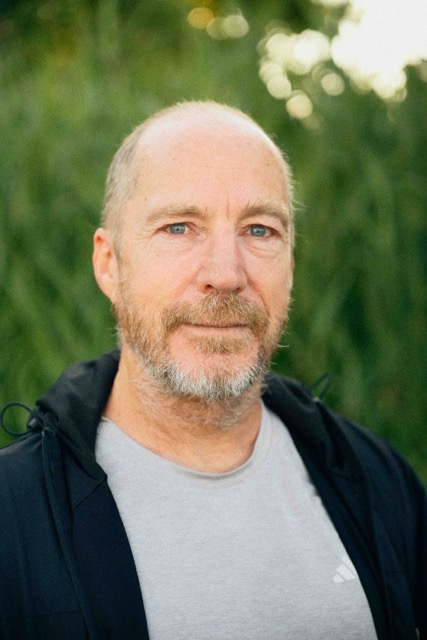
Stephen is a retired carpenter and farmer living in Addison County, and a vital neighbor in the Green Mountain Justice ecosystem. When he isn’t volunteering or working to leave the world a little better than he found it, he enjoys hiking, gardening, and throwing frisbees for dogs.
More News
Op/Ed

Editorial: We agree with Trump!
“The court will likely go down in history as the worst for other decisions.”
Op/Ed
Editorial: Rail accidents happen. Are towns’ safety plans in place?
“But more than simply having a safety plan, it should be widely broadcast.”
Op/Ed
Community Forum: Real Vermonters embrace the whole package
Almost every week I see comments that challenge my right to call myself a “Vermonter.”