
Op/Ed
Editorial: Health insurance premiums will double if Trump prevails
If you’ve turned away from political news because it’s just too distressing and distasteful to follow and you don’t think your opinion will make any difference, you might be comforted to know you’re not alone: millions of Americans are doing the same. Know, too, such silence is having serious consequences. Cuts to health care subsidies are one.
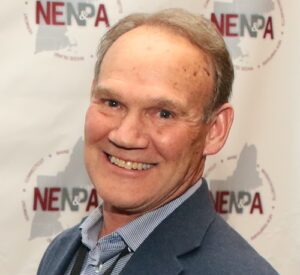
ANGELO LYNN
In Vermont, almost 30,000 residents who get health insurance through Vermont Health Connect may lose a collective $65 million unless Congress grants an extension before funding runs out at the end of the year. On average, health insurance premiums for those 30,000 Vermonters are expected to double, if Trump and the MAGA Republicans have their way.
Across the country, more than 24 million Americans are enrolled in health care marketplaces as instituted by the Affordable Care Act passed in 2010. Those plans included tax credits to subsidize the costs of health care for people earning under 400% of the federal poverty line. Those tax credits were expanded in 2022 as part of President Biden’s Inflation Reduction Act, which not only put in place many programs to boost the incomes for middle- and lower-income families and reduce costs, but poured billions into the nation’s infrastructure (roads, bridges, transportation projects, telecommunication projects, health care, and much more as well as beefing up specific industries like America’s chip production and renewable energy to name a few.)
Congressional Democrats are pushing Republicans to extend the federal health care subsidies in its upcoming budget referendum (before the end of September) or face shutting down the government. Democrats argue that to cut those federal subsidies, which were carefully expanded to cap most health care insurance costs at 8.5% of a family’s income, would mean millions of lower- and middle-income American families would likely go without health care insurance.
Numbers tell the story.
• Of the 24.3 million participants in the health care marketplace, 92% received some amount of federal subsidy. In Vermont, it’s 95%.
• VtDigger did a few calculations on typical plans, which showed: a single person in Vermont making 150% of the federal poverty limit ($23,475 annually), would go from paying nothing for a silver plan each month to $82 a month, or $984 annually. A family of four making $112,525 a year, 350% above the federal limit, would go from paying $680 per month in premiums to $934, or $3,048 more per year.
A single person making $63,000 a year (403% over federal guidelines) would go from paying $446 a month for premiums on a silver plan to $1,277 monthly; for a bronze plan, they would go from paying nothing to $808 a month. For both plans, that’s an additional $10,000 per year.
It’s much worse for a family of four, which at 403% of the federal poverty limit ($161,745) would go from paying $918 per month to $3,587 a month; an increase from $11,013 per year to $43,045 a year. That’s a shift from 8.5% of a family’s income to 33.2%. That’s shocking.
“There would be (an) immediate and devasting impact on the families who rely on the Affordable Care Act, and there would be the ripple impact of higher rates with the cost shift on the rest of the insurance market,” Vermont’s Senator Peter Welch recently told VtDigger. “And it would come at a time when we in Vermont are absolutely overwhelmed with the price spikes in the cost of health care. It couldn’t come at a worse time.”
There are about 6,000 Vermonters who make about 400% of the federal poverty limit and receive the enhanced federal subsidies.
Circling back to making your voices heard, it’s increasingly important that Vermonters —and all Americans — who are upset with the direction that nation is headed to speak up and do so frequently. Vermont’s congressional delegation has been speaking out against many of Trump’s policies, including the proposed cut to health care subsidies that was part of Trump’s so-called “big, beautiful bill” and they’re willing to shut down government to prevent these higher premiums to go into effect. Partly that’s because federal cuts to these subsidies could put even more pressure on Vermont’s health care industry at a crucial time and force unforeseen consequences.
“We have this enormous pressure on the private insurance market in Vermont where we’ve seen very, very high premium increases,” Welch said. “…What happens when the providers don’t get reimbursement from the government or from Medicaid, Medicare or the Affordable Care Act?”
Millions of voices do matter. Add yours today.
Angelo Lynn
More News
Op/Ed
Editorial: 12% is shocking, but don’t let the number fool you
“Just half of the projected [property tax] increase is due to anticipated increases in hig … (read more)
Op/Ed
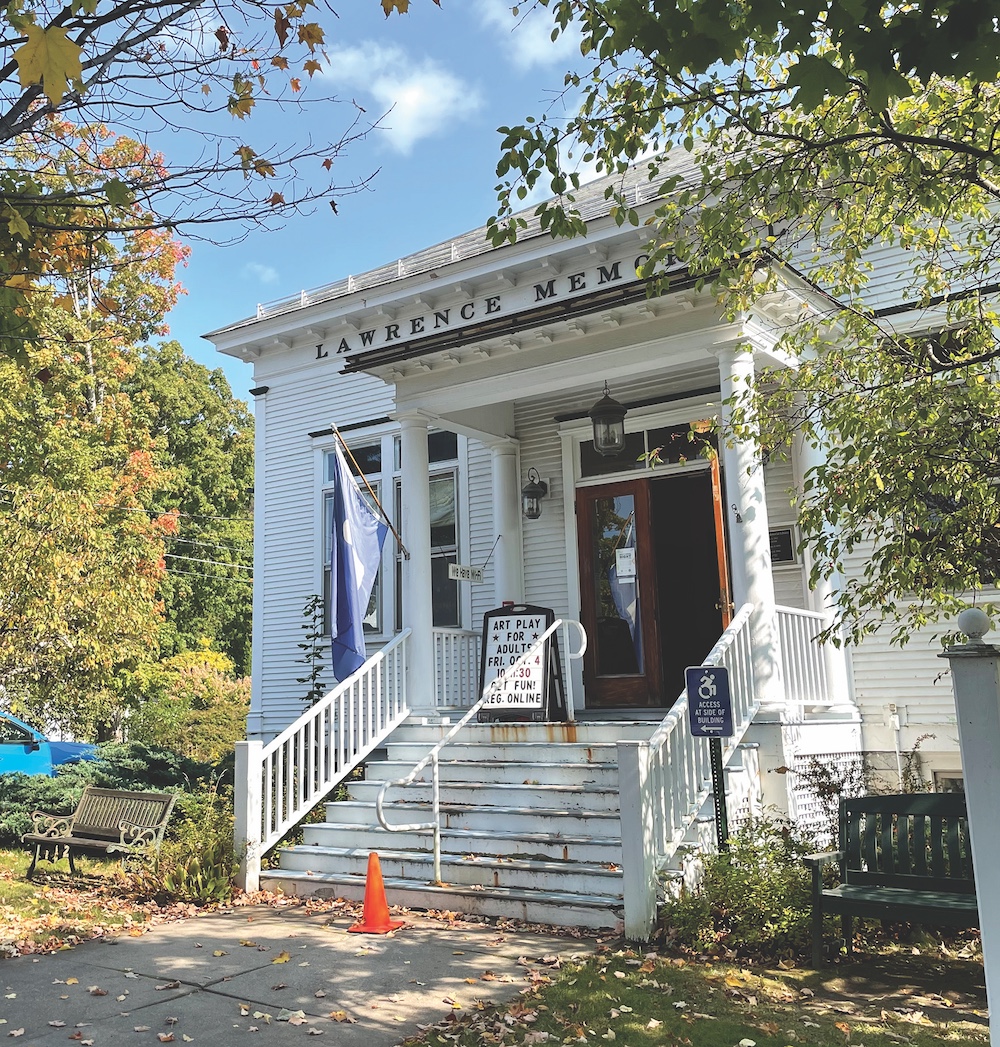
Community Forum: Libraries can help improve our health care
“Turning local libraries into telehealth hubs [can give] residents a familiar, trusted pla … (read more)
Op/Ed

Ways of Seeing: Together we accomplish the most
“Our strength is in our ability to work together to meet needs and solve problems.”